
Care Notes: A Key to Quality Care
Summary
Progress notes are essential in NDIS service delivery, serving as a critical tool for documenting care, ensuring compliance, and enhancing participant outcomes. This article explores their significance, tips for writing clear notes, and how Ably Care uses them to improve service delivery.
Introduction
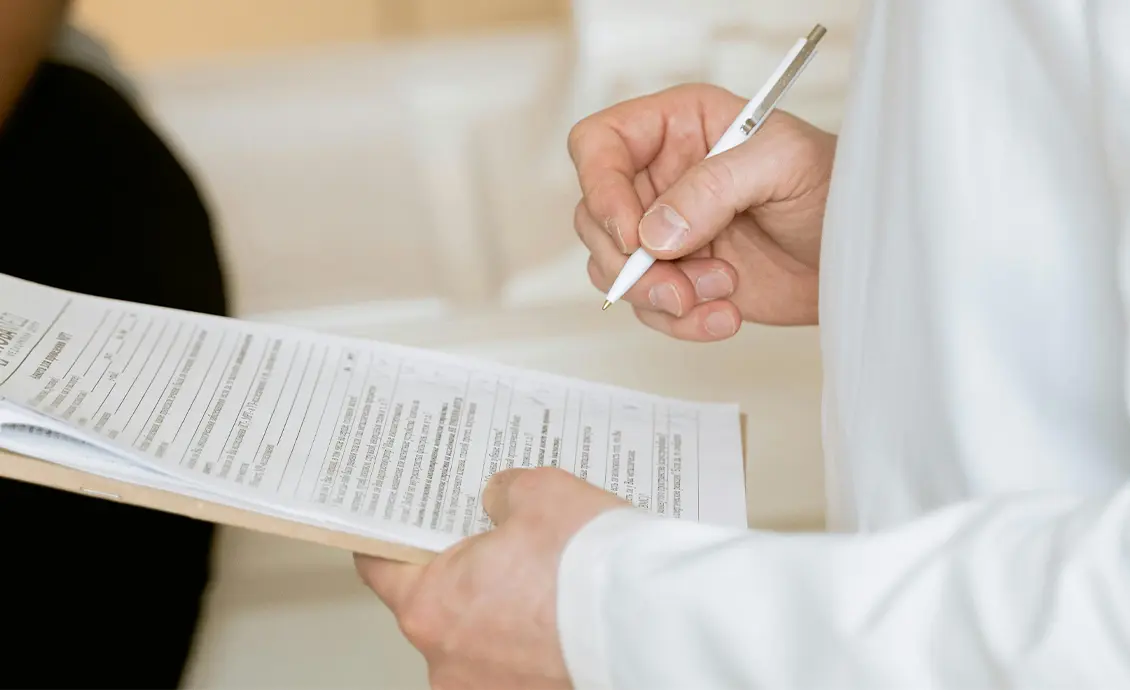
Progress notes are short, structured records that support workers and allied health professionals complete after interacting with a participant. They describe what happened during a shift, session, or service, how the participant responded, and note any concerns or changes. They help tell the story of a participant's support journey over time — capturing daily progress, shifts in wellbeing, risks, achievements, or challenges.
Importance in NDIS Compliance
Under NDIS rules and the NDIS Quality and Safeguards Commission standards, providers must keep clear, timely, and accurate records. Progress notes form part of this documentation trail. They can:
- Confirm that supports are being delivered as outlined in a participant's plan
- Provide a record for audits, reviews, or reassessments
- Protect both participants and providers in case of complaints or incidents
- Help with continuity of care when new workers come on board
Enhancing Participant Outcomes

Well-kept notes are not just about compliance — they also improve support. Documenting changes in behaviour, mood, health, or capacity helps support teams adjust care in real-time.
This ensures:
- Participants stay on track with their goals
- Early warning signs are picked up quickly
- Positive changes are reinforced and celebrated
- Families and coordinators are kept in the loop
Ably Care's Approach

At Ably Care, we treat documentation as a foundation of quality service. Our support workers are trained to:
- Keep their notes factual, objective, and free of assumptions
- Use consistent templates for clarity and continuity
- Focus on person-centred language that reflects dignity and respect
- Record both what was done and how the participant responded
We also use secure digital systems to manage documentation safely and efficiently, in line with best practice and privacy laws.
Quick Tips on Writing Progress Notes
- Be objective – Stick to facts. Avoid assumptions or emotional language.
- Use clear language – Keep it simple, concise, and free of jargon.
- Be consistent – Use the same format every day.
- Focus on participant response – Not just what you did, but how it affected them.
- Keep it timely – Write notes immediately after your shift or session.
- Respect privacy – Never include unnecessary personal details or opinions.
Sample Progress Notes
Good Example:
10 April 2025 – 10:00 AM - 12:00 PM Supported Sarah with showering and dressing. She chose her own clothes and completed most of the dressing herself, needing minimal support with buttons. She was calm, smiled often, and made jokes. No concerns observed. Prompted hydration – drank 1 glass of water.
Poor Example:
Sarah was really happy today. She was in a good mood and did most stuff by herself. Nothing major to report. She seems better than last week.
Why it's not ideal: It's vague, subjective, and doesn't describe what support was provided or how the participant engaged.
Conclusion
At Ably Care, we treat progress notes as part of our commitment to quality, transparency, and trust. With every note, we help shape a clearer, more responsive support journey for each individual we serve.